You Don’t Need More Followers to Get Brand Deals, You Need a Stronger Brand
Think you need a bigger following before brands will notice you? Not necessarily. Here’s what brands may be looking for instead, and how to make your content easier to say yes to.
One of the biggest misconceptions I see creators believe is that more followers automatically means more brand opportunities.
So they wait.
They wait until they hit 5K. Then 10K. Then 20K.
They tell themselves they’ll start pitching when their numbers are “good enough.”
But here’s what I need smaller creators to understand:
Brands are not only looking at how many people follow you. They’re looking at what kind of creator you are.
A creator with a smaller, engaged audience, a recognizable point of view, and a clear brand can be far more valuable to a company than someone with a much larger audience who posts a little bit of everything.
And if you’re trying to land PR, paid partnerships, or long-term brand relationships, that distinction matters.
Brands Need to Understand You Quickly
Imagine someone from a beauty brand lands on your Instagram or TikTok profile for the first time.
Within a few seconds, can they figure out:
What you create content about?
Who your content is for?
What kind of products naturally fit into your content?
What makes your perspective different?
What they could potentially hire you to create?
If the answer is no, that may be a bigger problem than your follower count.
Your page doesn’t have to look perfectly curated. You don’t need every thumbnail to match. And you definitely don’t have to turn yourself into a completely different creator just to become “brand-friendly.”
But there should be some consistency in the story your content tells.
For example, my own content centers heavily around beauty, mature skin, fragrance, product discovery, and helping other creators understand the business side of content creation.
That makes it much easier for someone viewing my page to understand where I fit.
Your content should do the same thing for you.
Your Niche Is More Than a Category
Saying your niche is “beauty” isn't necessarily enough.
Beauty is huge.
Makeup tutorials, fragrance reviews, skincare routines, luxury beauty, drugstore beauty, mature beauty, clean beauty, colorful makeup, minimal makeup—they can all exist underneath the beauty umbrella.
What gives your content its identity is your point of view.
Ask yourself:
Why should someone watch me talk about this instead of another creator?
Maybe you test makeup specifically on mature skin.
Maybe you find affordable alternatives to luxury products.
Maybe you're the person your audience trusts for extremely honest fragrance reviews.
Maybe you specialize in easy beauty for women who never really learned how to do makeup.
That point of view is what makes your content memorable.
And memorable creators are easier for brands to envision inside campaigns.
Consistency Builds Brand Trust
This doesn't mean you can never post anything outside your niche.
You're a person, not a content machine.
But if you want to work with brands, your recent content should give them enough information to confidently answer one question:
“Would our product make sense here?”
Think about your last 9–12 posts.
If a skincare company looked at them, would they see evidence that you know how to talk about products?
Would they see strong hooks?
Would they see you demonstrating products?
Would they see thoughtful reviews?
Would they see an audience interacting with what you recommend?
Brands aren't just hiring your follower count.
They're hiring your content style, communication skills, creativity, audience trust, and ability to make their product feel natural within your world.
Your Engagement Matters, But So Does the Quality of It
Engagement is another area where creators sometimes focus too much on one number.
A post having thousands of likes is great.
But brands may also notice:
Are people asking you questions?
Are followers requesting product links?
Are people saving your tutorials?
Do viewers tell you they purchased something because of your recommendation?
Are you actually responding and building community?
A smaller creator who consistently influences purchasing decisions can be extremely valuable.
That's why I don't want creators dismissing themselves just because someone else has 100,000 followers.
Their audience isn't your audience. Their content isn't your content. And their opportunities don't determine yours.
Before You Pitch, Look at Your Page Like a Brand Would
Before you send another pitch email, take a few minutes and audit your own platforms.
Ask yourself:
Is it obvious what I create?
Can a brand easily see examples of me featuring products?
Do I have recent content I'm proud of?
Does my bio clearly explain who I am?
Is there an easy way for a brand to contact me?
Would I feel confident sending someone directly to this page today?
And here's an important one:
If I were the brand, would I know how to use this creator?
That question can change the way you approach your entire content strategy.
Because sometimes you don't need to post more.
Sometimes you need to become more intentional about what you're already posting.
Stop Waiting Until You're “Big Enough”
There is no magical follower number where someone suddenly decides you're allowed to pitch brands.
Yes, audience size can matter for certain campaigns.
But it is only one part of the picture.
Smaller creators land PR.
Smaller creators land paid campaigns.
Smaller creators become long-term brand partners.
The goal isn't to convince a brand that you're secretly a huge creator.
The goal is to show them why the creator you already are has value.
So instead of asking:
“Do I have enough followers yet?”
Start asking:
“Have I made it easy for the right brand to see why they should work with me?”
That is a much more powerful question.
Ready to Make Sure Your Page Is Actually Ready for Brands?
If you're planning to start pitching, or you've been pitching and hearing nothing back, I created Before You Pitch: The Creator Readiness Workbook to help you evaluate your content, positioning, profiles, and overall brand readiness before you hit send.
Because sometimes the pitch isn't the first thing that needs fixing.
Before You Pitch a Brand, Read This First
Thinking about pitching brands? Before you send that first email, make sure you're actually ready. Discover the five things every creator should check, and why your content is your strongest pitch.
If you've been thinking, "I need to start pitching brands," I'm excited for you.
But before you hit send on that first email, I want to save you from making the same mistake I see over and over again.
Most creators think the hardest part of pitching is writing the email.
It isn't.
The hardest part is making sure you're actually ready for a brand to say yes.
Because here's the truth:
A great pitch can't fix an unprepared creator profile.
Brands don't just read your email; they click your Instagram, TikTok, YouTube, or wherever you create. They're looking at your content, your consistency, your niche, and whether they can picture you representing their products.
That's why some creators send dozens of pitches without ever hearing back.
It isn't always because the email was bad.
It's because the foundation wasn't there.
Ask Yourself These Questions
Before pitching, can you confidently answer these?
Is it obvious what type of content I create?
Would a brand know who my audience is?
Does my content feel consistent?
Have I created content similar to what I want to get paid for?
Does my profile look like someone brands can trust?
If you hesitated on any of those questions, don't worry, you are not behind.
You're simply not ready to pitch yet.
And that's actually good news because it's something you can fix.
Why I Created Before You Pitch
Over the last several years, I've worked with brands, managed campaigns, and helped creators improve the way they present themselves online.
I noticed something:
Creators were spending hours trying to perfect pitch emails when they hadn't done the work that makes those emails successful in the first place.
That's exactly why I created Before You Pitch.
Instead of jumping straight into writing emails, this workbook helps you evaluate your creator profile first.
Inside, you'll:
Assess whether your content is brand-ready.
Identify the areas holding you back.
Build a stronger creator foundation.
Gain confidence before reaching out to brands.
Stop guessing whether you're ready to pitch.
Think of it as the step that should happen before you ever send a pitch email.
Your Pitch Starts Before the Email
Getting brand partnerships isn't about having the biggest following.
It's about showing brands that you're someone they can confidently work with.
When your content, profile, and positioning are aligned, your pitch becomes so much stronger.
If you're serious about working with brands, start with the foundation first.
Before You Pitch is available now, and it's designed to help you take that first step with confidence.
I can't wait to see where it takes you.

How to Get on PR Lists as a Small Content Creator (Even Without a Huge Following)
Want to get on PR lists without a massive following? Discover how small creators can attract brands, build trust, and position themselves for partnerships.
If you’ve ever wondered…
"How are other creators getting PR when they don’t even have that many followers?"
Let me let you in on something that might surprise you:
👉 Follower count is no longer the deciding factor for brands.
Today, brands care more about:
Connection
Trust
Niche authority
Buying influence
Not vanity metrics.
I know this firsthand because I built my platform as a mature beauty creator, serving women 40+ who still want to play in makeup and feel confident doing it.
And guess what?
Brands noticed.
Not because I had the biggest audience, but because I had the right audience.
So if you're a small creator trying to get on PR lists, start here.
🔑 Tip #1: Stop Trying to Appeal to Everyone
One of the biggest mistakes small creators make is creating broad, unfocused content.
Brands aren’t looking for creators who talk to everybody.
They want creators who clearly speak to somebody specific.
Ask yourself:
Who is my content for?
What problem do I help solve?
Why would someone trust my recommendation?
For example, my audience is largely:
✨ Mature women
✨ Women of color
✨ Beauty lovers who value skin-first makeup
That clarity makes it easy for brands to say:
"Yes — she fits our customer."
👉 Niche = visibility.
🔑 Tip #2: Create PR-Ready Content Before PR Ever Arrives
Please hear me when I say this:
🚨 Brands are watching long before they send packages.
If a brand landed on your page today, would they immediately understand:
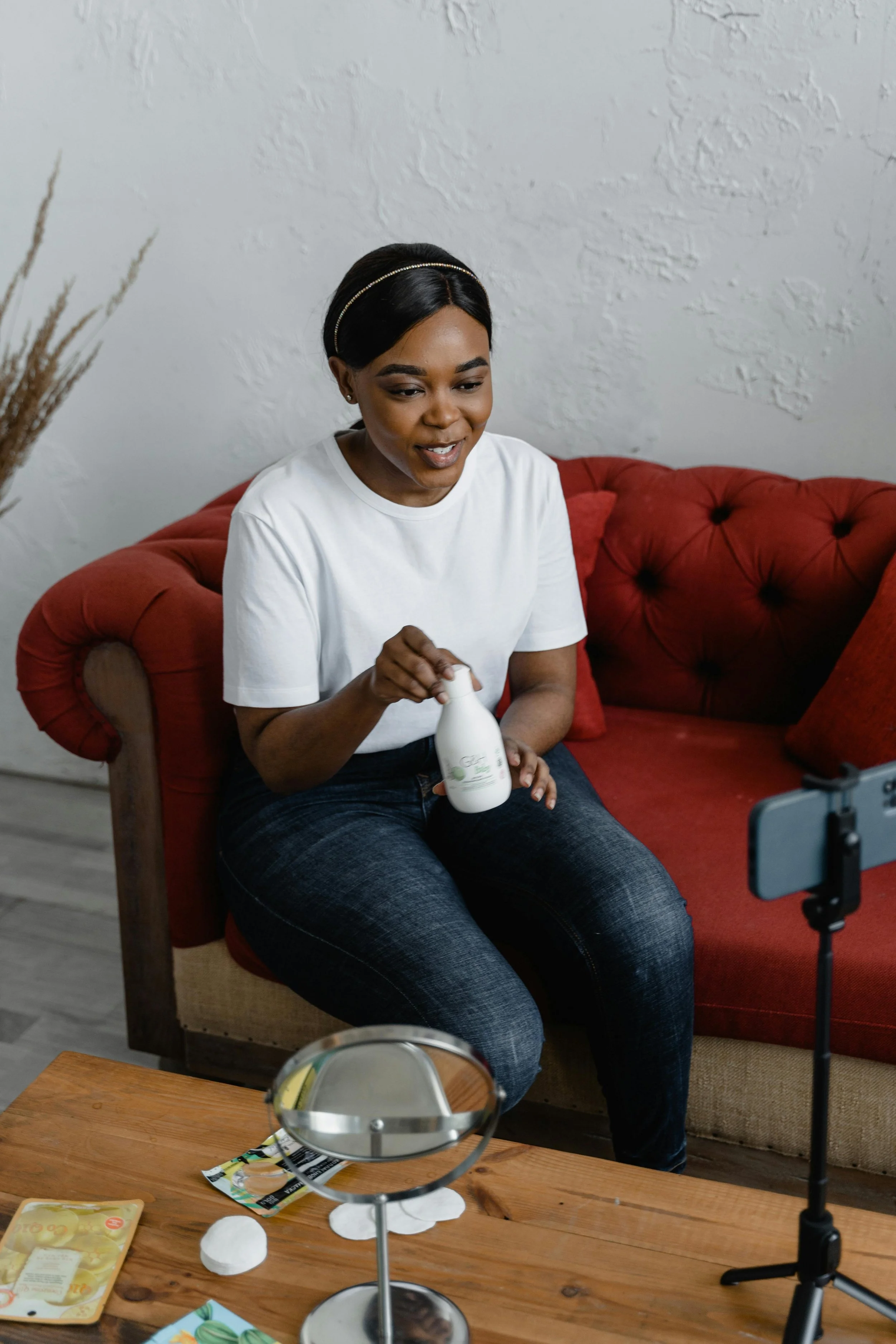
How you talk about products?
Your filming style?
Your credibility?
Your consistency?
Start creating the type of content you WANT to be known for.
Examples:
Honest reviews
Tutorials
Wear tests
Favorites
Educational beauty content
Problem/solution videos
When brands research creators, they aren’t guessing.
They are looking for proof.
👉 Act like a PR creator before you become one.
🔑 Tip #3: Tag Brands Strategically (Not Desperately)
There is a difference.
You don’t need to tag 12 brands in one post hoping someone notices.
Instead:
✔ Feature the product intentionally
✔ Speak about why you love it
✔ Show it in action
✔ Align with the brand voice
Then tag them.
Brands often search their own tags to find creators already talking about them.
Make it easy to discover you.
🔑 Tip #4: Engagement Matters More Than Followers
Would you rather have:
👉 2,000 followers who trust you
or
👉 20,000 followers who scroll past you?
Brands are choosing the first creator every single time.
Focus on building community:
Reply to comments
Start conversations
Ask questions
Use polls
Create shareable content
Trust converts, and brands know it.
🔑 Tip #5: Don’t Wait to Be Chosen — Introduce Yourself
Confidence will open doors faster than waiting ever will.
Reach out to brands.
Send the email.
Pitch yourself.
Join their affiliate programs.
Sign up for creator portals.
Put your name in rooms where decisions are being made.
Because here’s the truth:
👉 Closed mouths don’t get PR packages.
Final Thoughts: Your Influence Is Bigger Than Your Numbers
If you take one thing from this post, let it be this:
You do NOT need a massive following to be valuable.
You need:
✔ clarity
✔ consistency
✔ community
✔ confidence
Keep showing up.
Keep creating.
Keep refining your voice.
The right brands will find you, and many will wish they had found you sooner.
💬 Tell Me in the Comments:
What is ONE brand you would love to receive PR from this year?
(I love hearing your goals — and rooting for you.)
If this helped you, share it with another creator who’s trying to grow.
And stay tuned — because in the next post, we’re talking about:
👉 How to Make Your Page Look PR-Ready in 30 Minutes